
Latest Articles
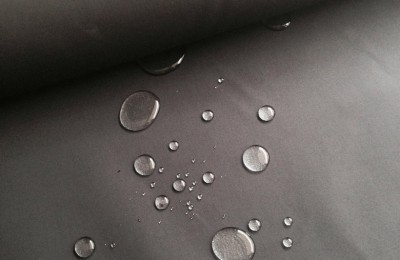
Tips on fabric classification
Tips on fabric classification 1. Plain knitted fabric: A. Woven: relatively thin, light, but easy to deform; B. densely woven: relatively fine, soft, sweat-absorbent, generally use…
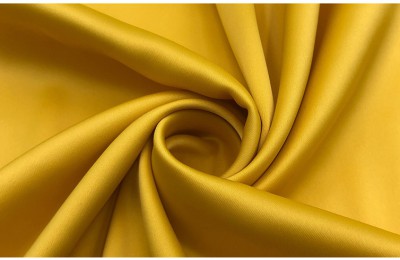
Light-shielding coating process and summary
Light-shielding coating process and summary 1. Foreword PU coating technology is a new fabric finishing technology that has developed in China in recent years. Use PU coating glue …
Functional fabric: flame retardant fabric
Functional fabric: flame retardant fabric In recent years, fires caused by fabrics have been increasing in countries around the world. Over the past few decades, the average number…

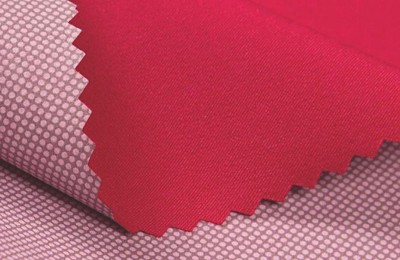
Functional fabric: cotton nylon fabric
Functional fabric: cotton nylon fabric Nylon’s scientific name is polyamide fiber, which is the general name for polyamide fibers produced in China. The outstanding advantage is th…
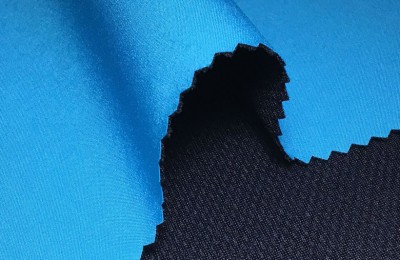
Functional fabric: antibacterial fabric
Functional fabric: antibacterial fabric With the continuous improvement of economy and living standards, people are paying more and more attention to their own health. , and many s…
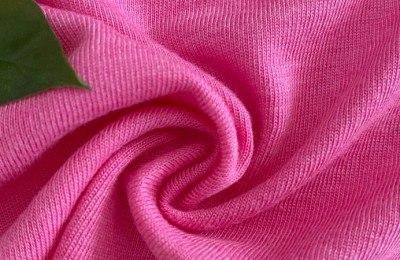
antistatic fabric
Antistatic fabric People’s life and production are all related to static electricity. Static electricity directly or potentially brings varying degrees of harm to human being…
How much do you know about functional fabrics?
How much do you know about functional fabrics? Today I will mainly introduce to you the following functional fabrics: 1. Moisture-absorbing and sweat-wicking fabrics Mainly uses ph…

广告
How to Calculate the Common Weight of Cotton
How to calculate the common weight of cotton Official weight inspection. It is called the quantitative inspection for short. Here we focus on the quantitative inspection of lint co…
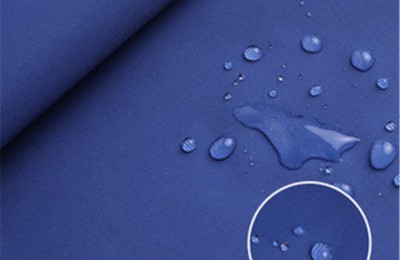
Textile fabric defect terminology
Textile fabric defect terminology Crotch defect (Barre) For knitted fabrics, this defect is characterized by some uneven patterns that usually appear in the fabric rows or in the t…
Fabric dyeing factory follow-up process
Fabric dyeing factory follow-up process 1. First of all, you need to prepare the following information before starting the work: 1. Color is as is. 2. It feels like the original. 3…